Gallery
The vessel in view
Concept renderings of the CIP7500 — a 7,550 dwt geared multipurpose carrier with four cargo holds, box-shaped holds for project cargo, and two deck cranes for full infrastructure independence.
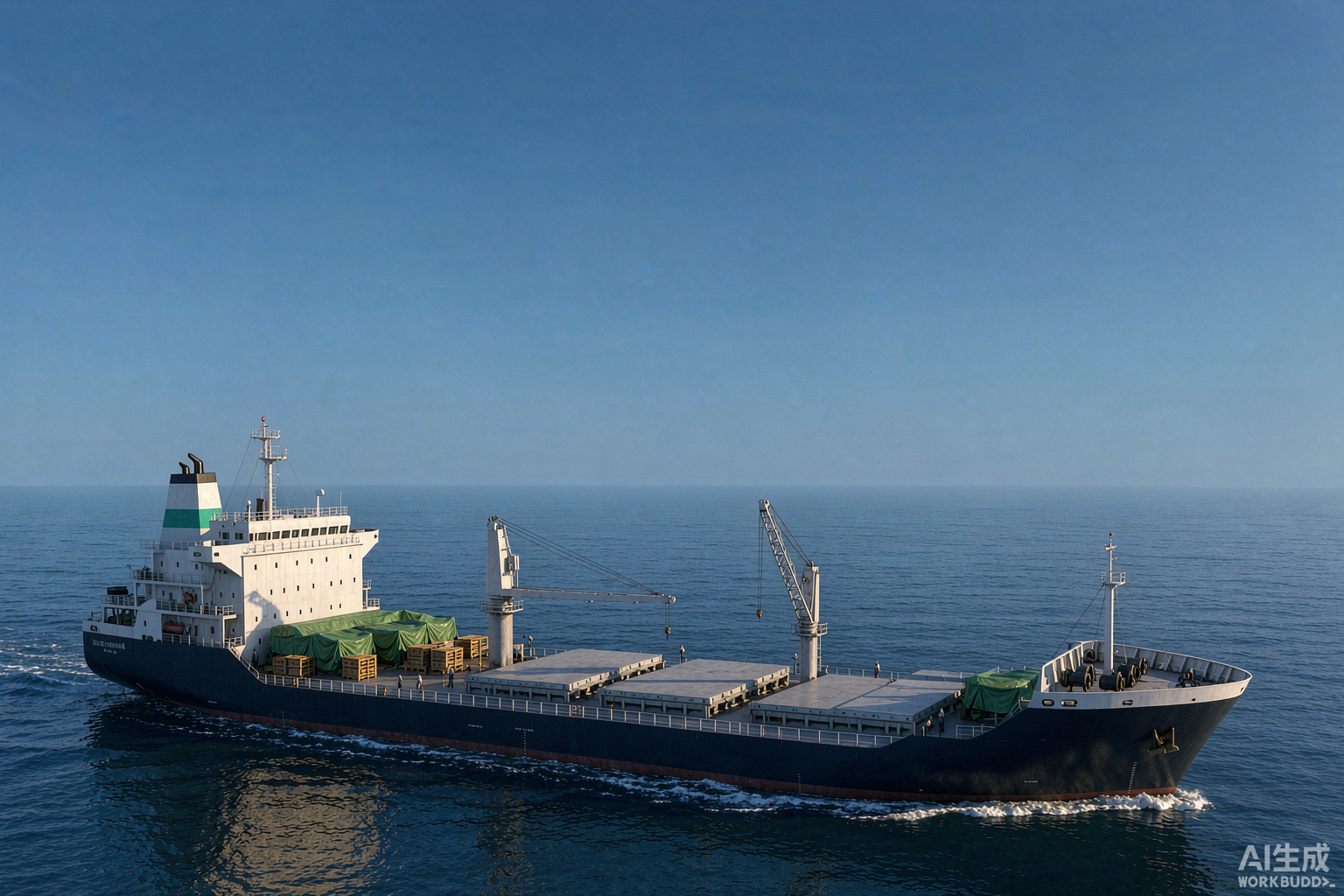
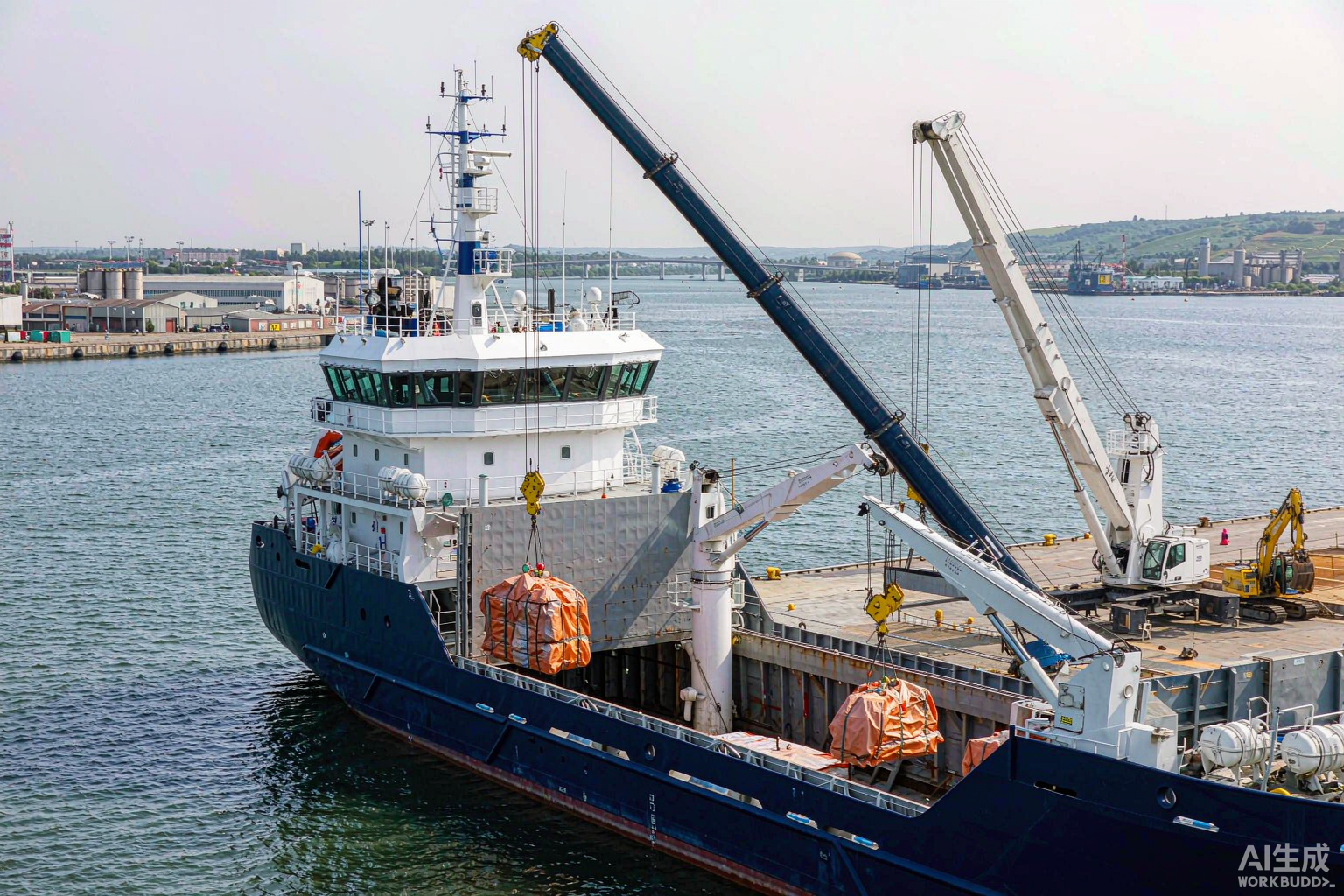
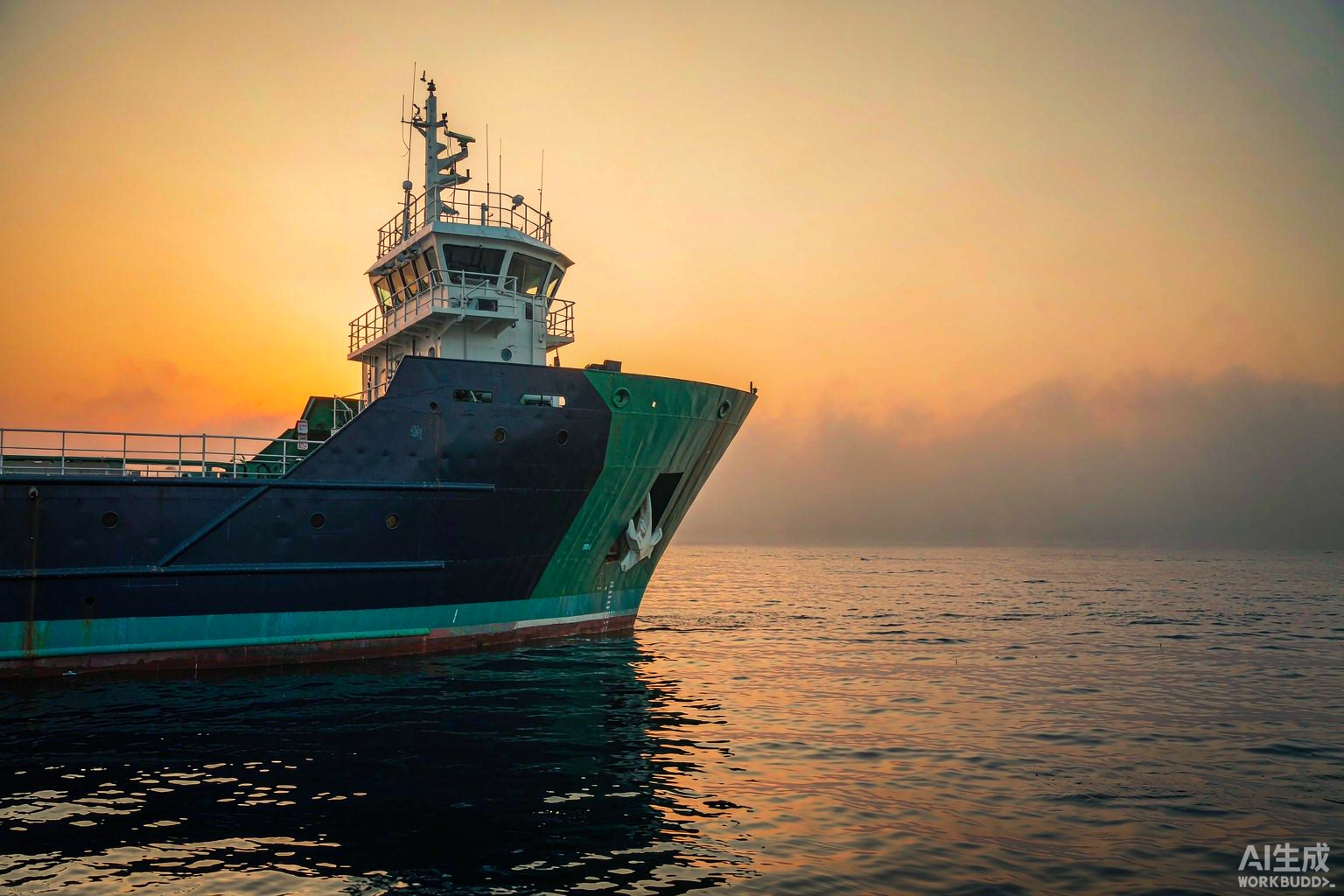
A next-generation green workhorse with a battery-ready electric propulsion system — batteries can be installed for peak shaving and shore-power operation. IMO Tier III SCR, DNV class. Built as the direct replacement choice for Europe's ageing coastal fleet.
Concept renderings of the CIP7500 — a 7,550 dwt geared multipurpose carrier with four cargo holds, box-shaped holds for project cargo, and two deck cranes for full infrastructure independence.
Indicative particulars based on the concept design. Full specification and general arrangement available under NDA on request.
| Type | Multipurpose dry cargo vessel (heavy cargo reinforced), geared — 2 deck cranes |
|---|---|
| Cargo arrangement | 4 cargo holds with box-shaped holds, hatch covers sized for project cargo; tradeable with bulk, breakbulk and dangerous goods |
| Classification | DNV · Heavy cargo reinforcement 15 t/m² · DG(B) / DG(P) / DBC notations · Ice class |
| Propulsion | Electric propulsion with static converters, battery-ready power plant (batteries can be installed for peak shaving & port operation), bow thruster, box coolers |
| Emissions | IMO Tier III via SCR with urea tank — optimized for EU ETS & FuelEU Maritime compliance |
| Cargo handling | 2 deck cranes — trades independently of shore-side infrastructure |
| Smart ship | DNV Cyber Secure (Essential) certified architecture |
| Availability | Newbuilding slots open for 2027–2028 delivery |
The CIP7500 is designed from the ground up as a new-energy vessel. Its electric propulsion plant — static converters, main connection cabinets and a battery-ready switchboard architecture — allows battery packs to be installed, turning green compliance into an operating advantage rather than a cost burden.
Electric propulsion with static converters and a centralized main connection cabinet means battery packs can be installed — for peak shaving, optimized generator load and silent, low-emission maneuvering in port.
Connect to green electricity at berth. From 2030, major EU ports require ships to use on-shore power — the CIP7500 is prepared, enabling zero local emissions in port.
The selective catalytic reduction system with onboard urea tank meets IMO Tier III — cutting NOx emissions by roughly 75% versus Tier II limits, verified by DNV.
Every tonne of CO₂ saved is a tonne of allowances not bought. Battery-assisted operation and an efficient electric plant directly shrink your EU ETS bill from 2026 onward.
Europe's shortsea fleet is ageing fast — and new emission rules make old tonnage increasingly expensive to run. The CIP7500 is engineered as the direct answer.
A power plant designed around electric propulsion and static converters, ready for battery integration — peak shaving, shore-power friendly, and a clear upgrade path as energy storage matures.
IMO Tier III SCR and a cyber-secure architecture mean lower EU ETS exposure today and a defensible position under FuelEU Maritime as intensity targets tighten.
Heavy-cargo reinforcement (15 t/m²), dangerous-goods capability, box-shaped holds and two own cranes — bulk, breakbulk and project cargo without depending on shore cranes.
Priced for the small and mid-size owner: a modern green tonnage entry point sized to the segment where Europe needs replacements most.
Independent industry data (Sea3R / Lloyd's List, 2026) on the European shortsea general-cargo fleet:
Newbuilding slots for 2027–2028 delivery are open. Contact us for the full specification, general arrangement and quotation.